Home / Sun Side, Shade Side: Looking After Exterior Paint That Has Started to Fade
Sun Side, Shade Side: Looking After Exterior Paint That Has Started to Fade
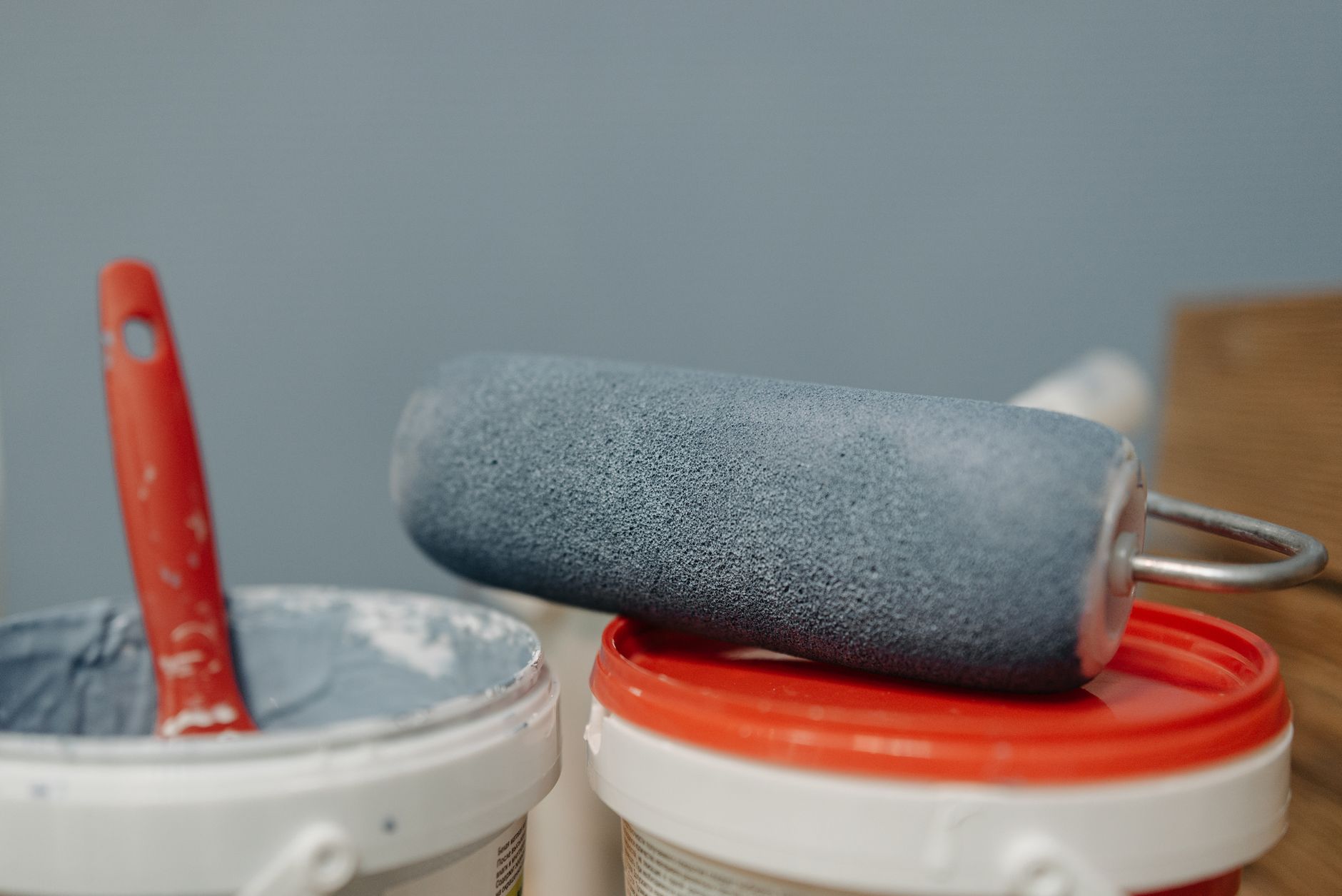
Rub a clean finger across a sun baked wall and look at the fingertip: a white or colored powder is chalk, and it says more about the state of the paint than the color does.
Fading and chalking are related but different. Fading is the loss of color as pigments break down under ultraviolet light. Chalking is the breakdown of the paint's binder at the surface, which releases loose pigment as powder. Both are normal over time. What a maintenance routine does is slow them, catch them early and decide when a wall needs washing, touching up or repainting.
Why some walls fade faster
The walls that face south and west take the strongest sun and fade first. Eaves shade the top of a wall and leave the bottom exposed, so a wall can look darker under the overhang. Deep, saturated colors, especially some reds, blues and bright yellows, rely on pigments that are more sensitive to light than earth tones and whites.
The surface matters as well. Stucco, with its texture and slight porosity, holds dust and shows chalking clearly. The earlier article on this site about stucco cracks, curing and coating choice explains how the coating chosen at the start affects how a wall ages, and this guide to faded exterior care builds on it by looking at the years after the paint goes on.
A routine for the year
Each spring: wash and look
Dust and grime hide fading and hold moisture against the paint. A gentle wash is the base of every other step.
- Use a garden hose and a soft brush, working from the bottom up and rinsing from the top down.
- Add a mild detergent made for exterior surfaces if the dirt is stubborn.
- Avoid high pressure washers on stucco and on older wood. They can force water behind the coating and erode soft surfaces.
- Let the wall dry fully, then look at it in good daylight.
Each summer: check the sunny elevations
After the wash, walk the house and compare walls. Note where color has dropped noticeably, where chalk comes off on a finger or a dark cloth, and where paint has started to crack, peel or blister. Fading alone is cosmetic. Cracking and peeling mean water can reach the substrate, which is a bigger concern.
Each autumn: touch up before the rain
Small areas of wear on trim, railings and doors are easiest to handle before the wet months. Touch ups work best when the original paint is still in reasonably good condition and the touch up product matches in both color and sheen.
The chalk test, and what it tells you
Press a strip of dark cloth or tape against the wall and lift it off.
- Little or no powder: the paint is holding up. Washing is enough.
- Light powder: normal aging. Wash, and plan for a repaint in the coming years.
- Heavy powder: the binder is breaking down. New paint applied over heavy chalk will not bond well unless the chalk is washed off thoroughly and a suitable primer or bonding product is used.
Why touch ups sometimes look worse
A fresh patch of the original color on a faded wall often stands out, because the wall has moved away from its original shade. This is called flashing when sheen differs, and it is common.
Ways to reduce it:
- Touch up whole sections bounded by corners, trim or downspouts rather than small spots in the middle of a wall.
- Match sheen carefully. A satin patch on a flat wall shows in raking light.
- On a wall that has faded significantly, consider repainting the whole elevation rather than spotting it.
Slowing the fade
Some fading is unavoidable, but choices at the next repaint can slow it:
- Higher quality acrylic exterior paints generally hold color and resist chalking better than lower grade products.
- Lighter colors and earth tones tend to hold up better in strong sun.
- Elastomeric coatings are used on stucco in some situations for their flexibility over fine cracks, though they need correct preparation and are not the answer for every wall.
- Applying paint at the coverage the manufacturer specifies matters. Thin coats fade and chalk faster.
Local conditions that speed things along
Pasadena summers are long, hot and bright, and the sun at the foot of the San Gabriel Mountains is strong for much of the year. Santa Ana winds carry fine dust that settles on walls and works into textured stucco. Winters bring most of the rain in a few storms, which is when any crack or peeling area lets water in.
The housing stock adds its own variety. Craftsman bungalows in neighborhoods such as Bungalow Heaven have wood siding, shingles and deep porches, while Spanish revival homes around the city have smooth or textured stucco and decorative tile. Wood needs closer watching for cracking and peeling, especially on the sunny side. Stucco shows chalking and fading more but tolerates sun well when the coating is in good condition.
Homes in Pasadena historic districts may have guidance on colors and materials, so checking before choosing a new scheme saves trouble later.
Trim, doors and the details that fade first
Painted trim, front doors, shutters and metal railings usually show wear before the main walls. They are often painted in stronger accent colors, they take direct sun on their edges, and doors and railings are handled every day. A front door facing west can fade noticeably while the walls around it still look fine.
These smaller surfaces are also the easiest to keep up. A door can be cleaned, lightly sanded and recoated in a day. Railings should be checked for rust spots where the coating has chipped, since bare steel in a damp winter will spread rust under the surrounding paint. Wood window sills, which collect water and sun at the same time, deserve a close look every year, because a sill that cracks and lets water in can rot well before the walls need attention.
Keeping a small labeled can of each exterior color, with the sheen written on the lid, makes these touch ups far easier to match.
When to stop maintaining and repaint
A wall is due for repainting when:
- Chalk comes off heavily even after washing.
- The color difference between sunny and shaded areas is obvious from the street.
- Cracking or peeling has started in more than isolated spots.
- Bare substrate shows anywhere, especially on wood.
Repainting at that point is easier and costs less effort than waiting until the substrate itself needs repair.
A short checklist
- Wash every spring, gently.
- Run the chalk test on the sunny walls.
- Note fading, cracking and peeling separately.
- Touch up trim and small areas before the rainy months.
- Repaint whole elevations rather than patching heavily faded walls.
- Choose colors and products suited to strong sun at the next repaint.
The archive at pasadena house painting desk has more on surface preparation, stucco and coating choices for a sunny climate. A few hours each year spent washing and looking closely is the cheapest way to keep an exterior looking cared for between full repaints.